
MUSEUM & SOUVENIRS · 6 min read · 2026-09-22
How to prepare a custom museum or destination souvenir puzzle brief
A structured starting point for museums, visitor attractions and tourism teams planning a custom paper or foam puzzle.
For museum shops, cultural venues, destination marketers, education teams and souvenir distributors.
In brief
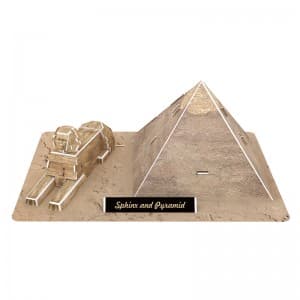
A museum or destination souvenir brief should connect the subject, visitor audience, learning or gifting purpose and approved cultural references. Explain what must be recognizable and who controls the artwork. Then identify open decisions about product format, language, packaging and sampling. Do not infer licensing, cultural approval, safety requirements or destination-market compliance from an existing product image.
Begin with the visitor experience
State whether the product is intended as a keepsake, learning activity, gift, collectible or family assembly experience. This gives the product review a clear purpose before the format and specification are finalized.
Define what must be culturally recognizable
Identify the building, object, animal, character, artwork or story elements that must be represented accurately. Name the person or organization responsible for approving those references and any wording used with them.
Plan the interpretation and packaging together
A souvenir may need a short story, instructions, several languages or a clear retail presentation. Bring those needs into the early brief so the product and package can be reviewed as one buyer journey.
Keep rights and compliance explicit
The buyer should identify artwork permissions, trademarks, cultural approvals and destination-market requirements. Existing photographs and products can suggest a direction, but they do not establish permission or compliance for a new project.
Use sampling to resolve the open questions
List the points that need a sample or feasibility review rather than guessing. Charmer can assess the requested direction, and the parties can confirm whether it is feasible and which project details need adjustment.
What to prepare
A discussion checklist, not a production approval or a list of mandatory specifications.
- Approved subject references and the rights owner or reviewer
- Visitor age group, use context and retail or education goal
- Required language, story and packaging information
- Open questions about format, assembly, sampling and delivery
Turn the checklist into a brief.
Describe your reference and intended use, then list the questions still open. No file upload is available in the form; discuss files during follow-up.
发起项目